Delivery Driver vs Scooter Accident Claims
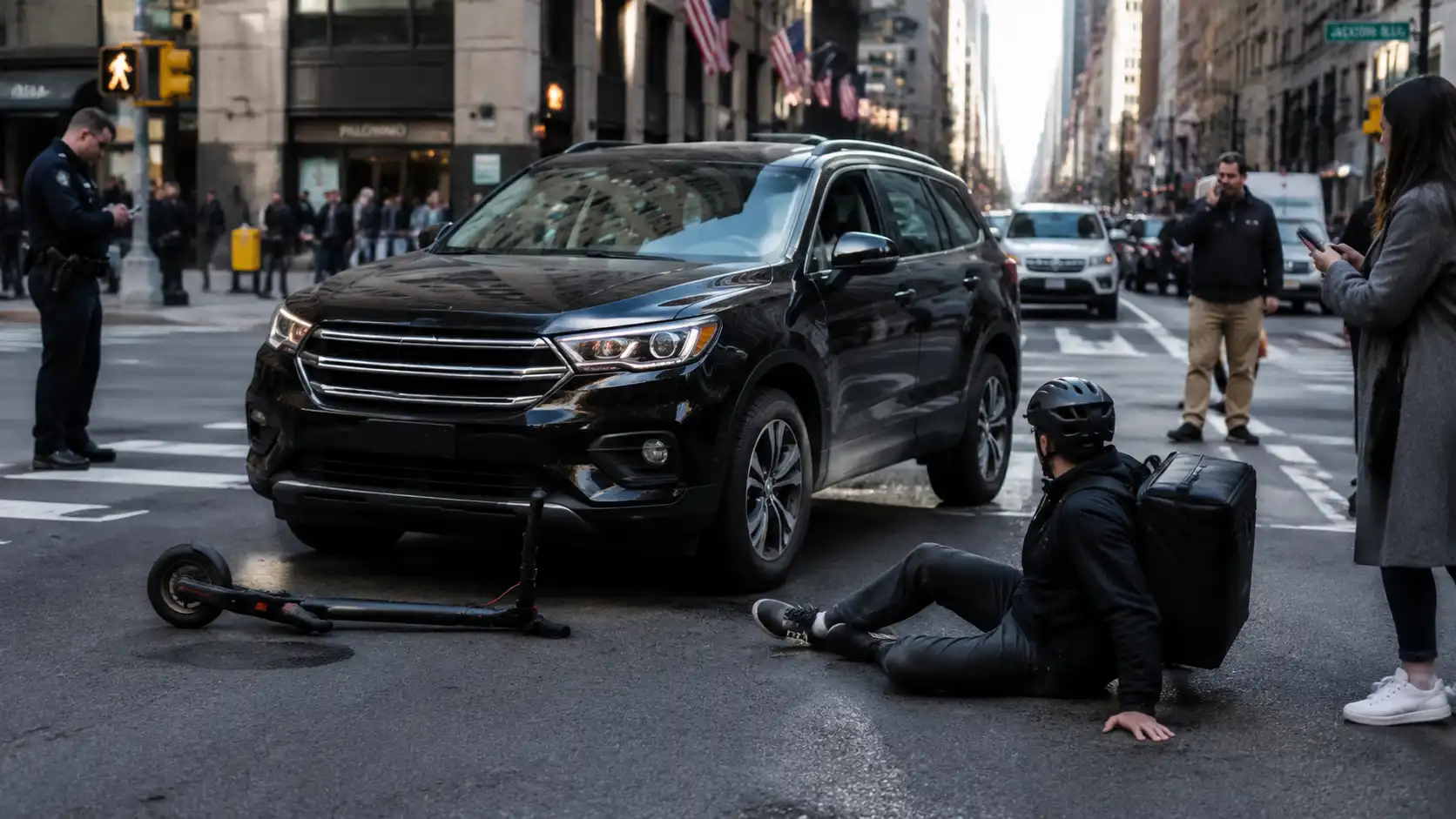
The growth of food delivery, grocery delivery, and package delivery services has transformed transportation across the United States. Companies such as DoorDash, Uber Eats, Grubhub, Instacart, Amazon Flex, and Walmart Spark place thousands of delivery drivers on the road every day. At the same time, electric scooters have become a popular transportation option in cities large and small.
As these trends continue to expand, accidents involving delivery drivers and scooter riders have become more common. These collisions often raise questions about fault, insurance coverage, and liability. Unlike a typical vehicle accident, delivery driver crashes may involve multiple insurance policies, independent contractor issues, and commercial driving considerations.
Understanding how delivery driver vs scooter accident claims work can help injured riders better understand the legal and insurance challenges that may arise after a collision.
Why Delivery Driver and Scooter Accidents Are Becoming More Common
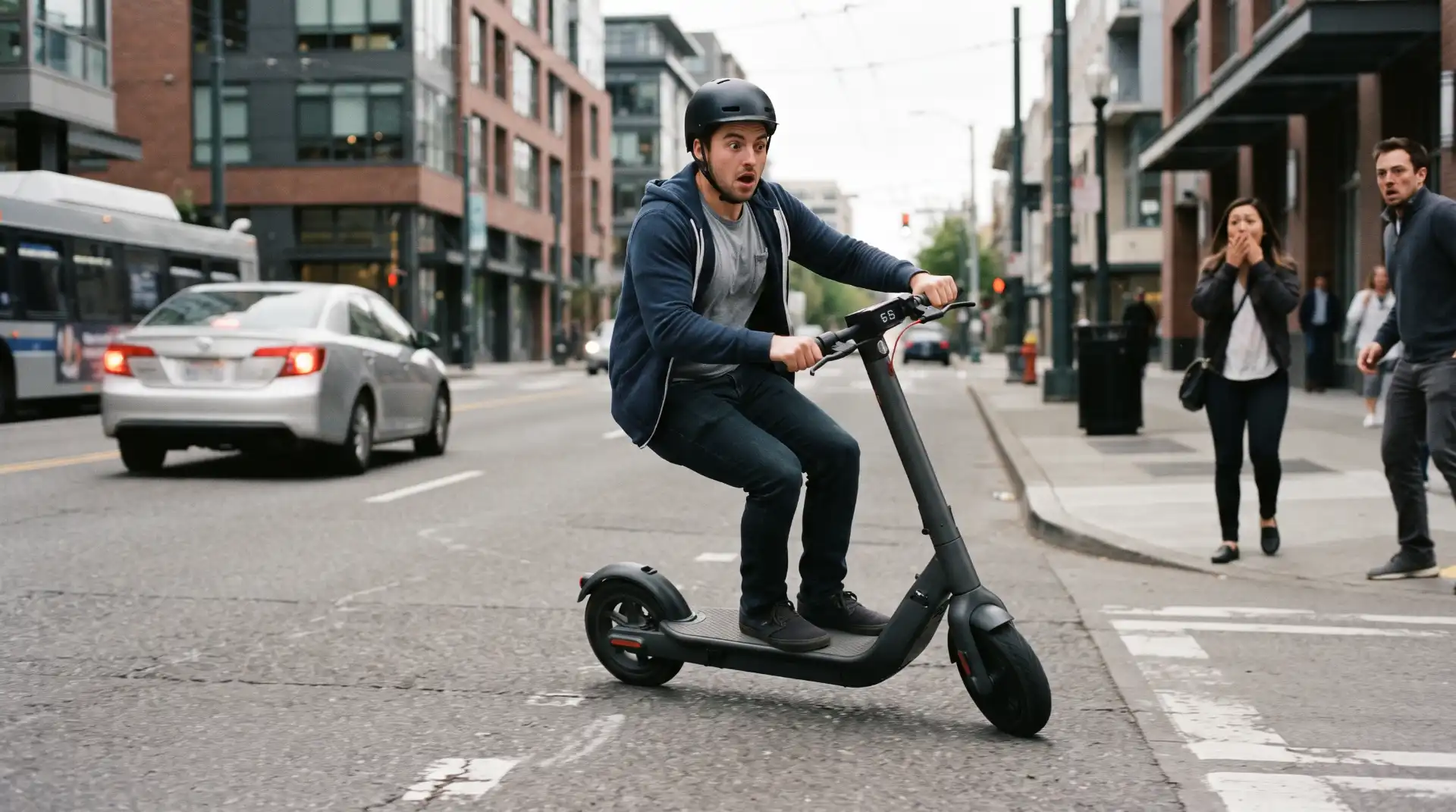
The increase in delivery services has changed traffic patterns throughout the country. Drivers frequently stop, start, park, turn, and navigate unfamiliar areas while attempting to complete deliveries efficiently. These driving behaviors can increase the risk of collisions with scooter riders who may be traveling in bike lanes, crossing intersections, or sharing the roadway with motor vehicles.
Scooter riders face unique risks because they are smaller than passenger vehicles and often less visible in traffic. A rider traveling legally through an intersection may be overlooked by a driver focused on locating an address or following directions through a delivery app.
Urban areas have experienced particularly significant growth in both scooter use and delivery services. As more people choose scooters for commuting and short-distance travel, interactions between delivery vehicles and riders continue to increase.
Common Causes of Delivery Driver Scooter Accidents
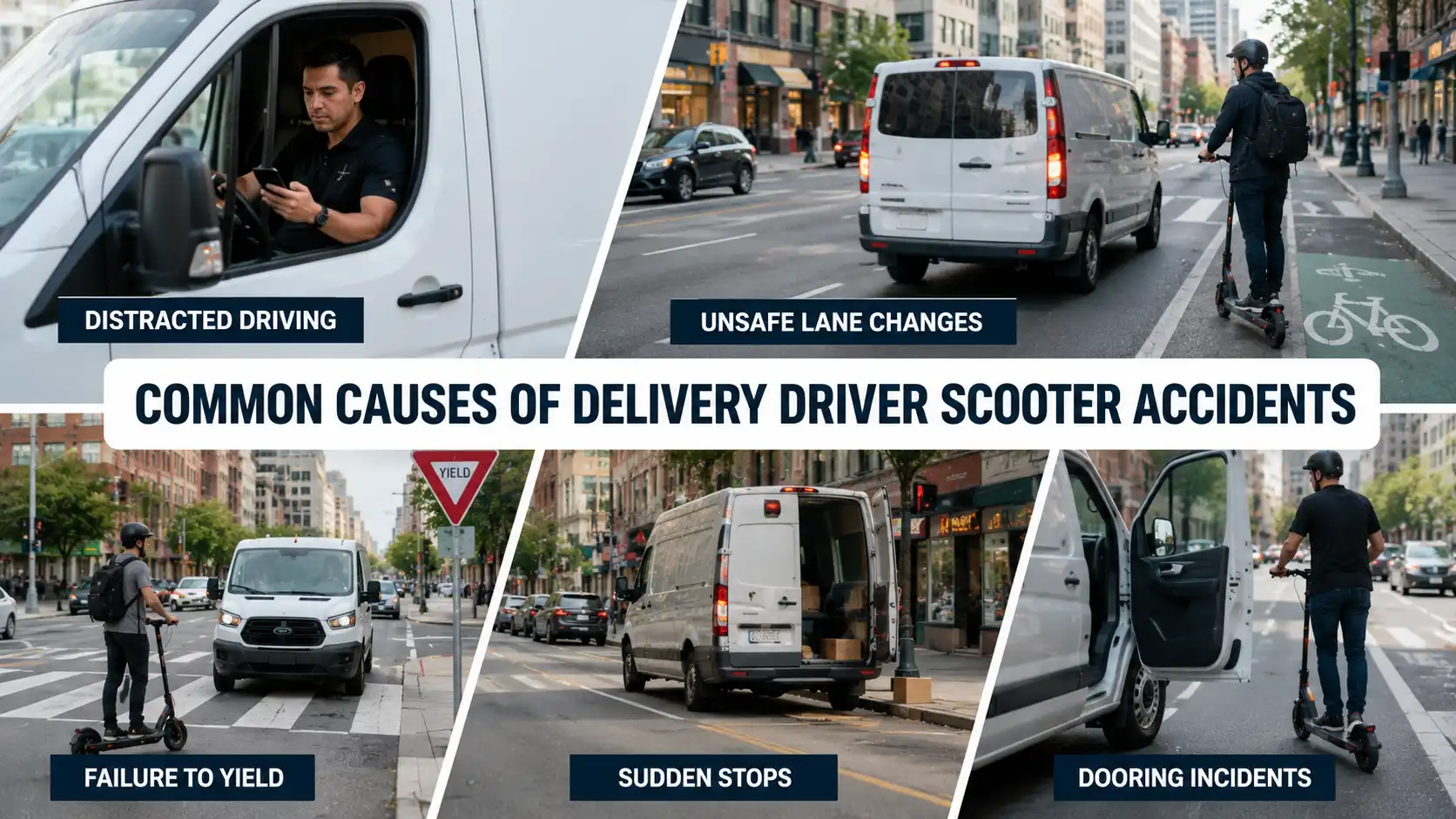
Many of these collisions occur under circumstances that are preventable. One of the most frequently cited factors is distracted driving. Delivery drivers often rely on mobile applications to receive orders, communicate with customers, and navigate unfamiliar routes. Even a brief distraction can reduce reaction time and awareness of nearby scooter riders.
Failure to yield is another common cause. Many accidents occur when a driver turns left or right without recognizing a scooter rider who has the right of way. Because scooters occupy less space than cars, drivers may misjudge their speed or fail to notice them entirely.
Sudden stops also contribute to collisions. Delivery drivers frequently stop to complete deliveries, and unexpected braking can create hazards for riders traveling behind them. In some situations, scooter riders have little opportunity to avoid a stopped vehicle.
Dooring incidents represent another significant risk. These accidents occur when a driver or passenger opens a vehicle door directly into the path of an approaching scooter rider. Even at relatively low speeds, dooring accidents can result in serious injuries.
Speeding, aggressive driving, fatigue, and poor visibility conditions may also play a role in delivery driver scooter crashes.
Determining Liability After a Scooter Collision
One of the most important aspects of any claim involves identifying the parties that may bear responsibility for the accident. While some cases involve straightforward liability, others may require a detailed investigation.
The delivery driver may be responsible if their actions contributed to the collision. Examples include distracted driving, speeding, unsafe turns, failure to yield, or other violations of traffic laws.
However, the analysis does not always stop there. In some situations, the delivery company itself may become part of the investigation. Questions often arise regarding whether the driver was acting within the scope of their work duties and what level of control the company exercised over their activities.
The driver’s classification can also affect liability issues. Many delivery companies classify workers as independent contractors rather than employees. While this distinction may influence certain legal questions, it does not automatically eliminate potential liability concerns.
Some accidents involve additional parties as well. Another driver may have caused the delivery vehicle to react unexpectedly, leading to a collision with the scooter rider. Poor road design, defective traffic signals, or dangerous roadway conditions may also contribute to certain accidents.
Because every crash is different, determining liability often requires a careful review of the available evidence.
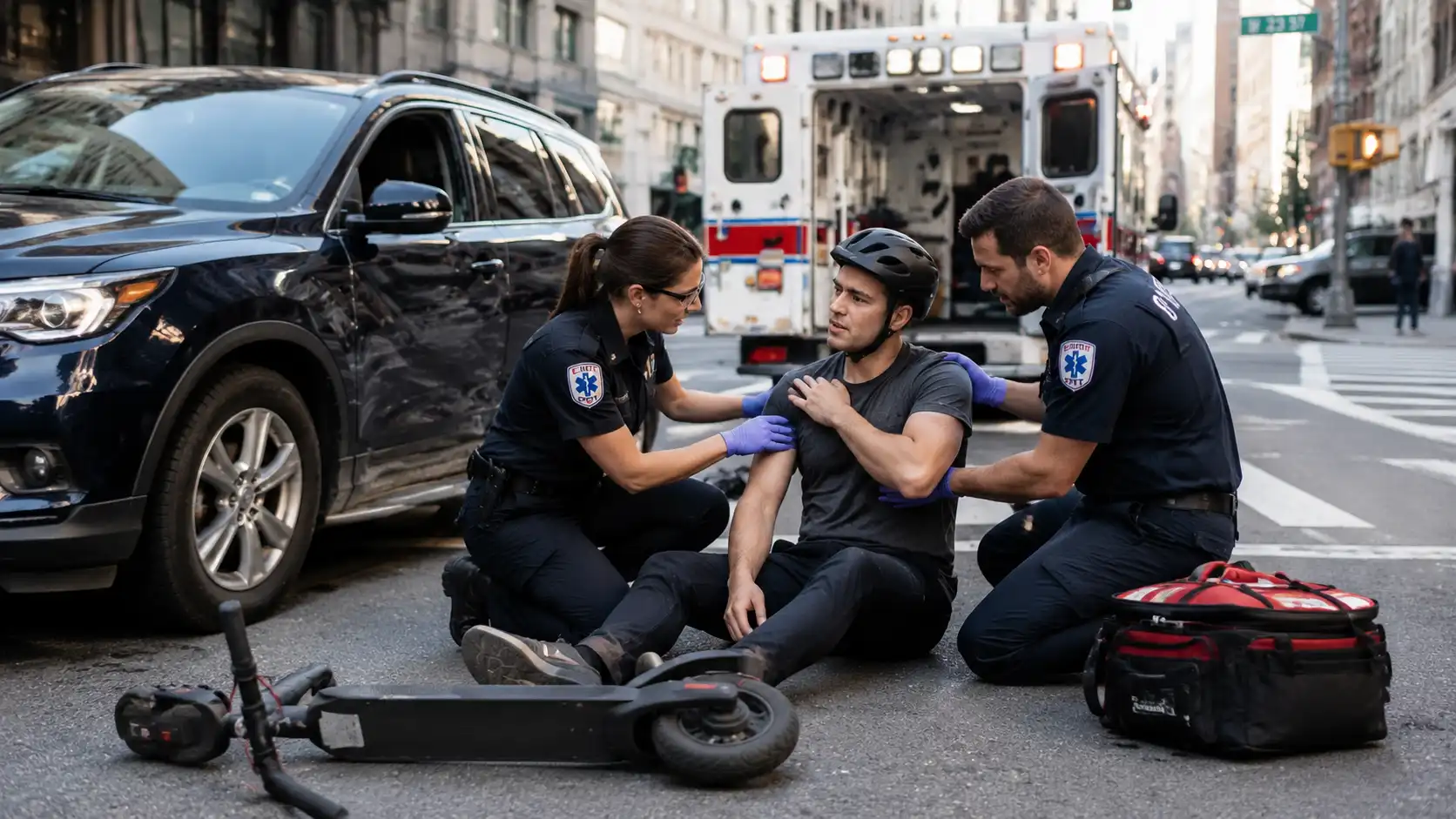
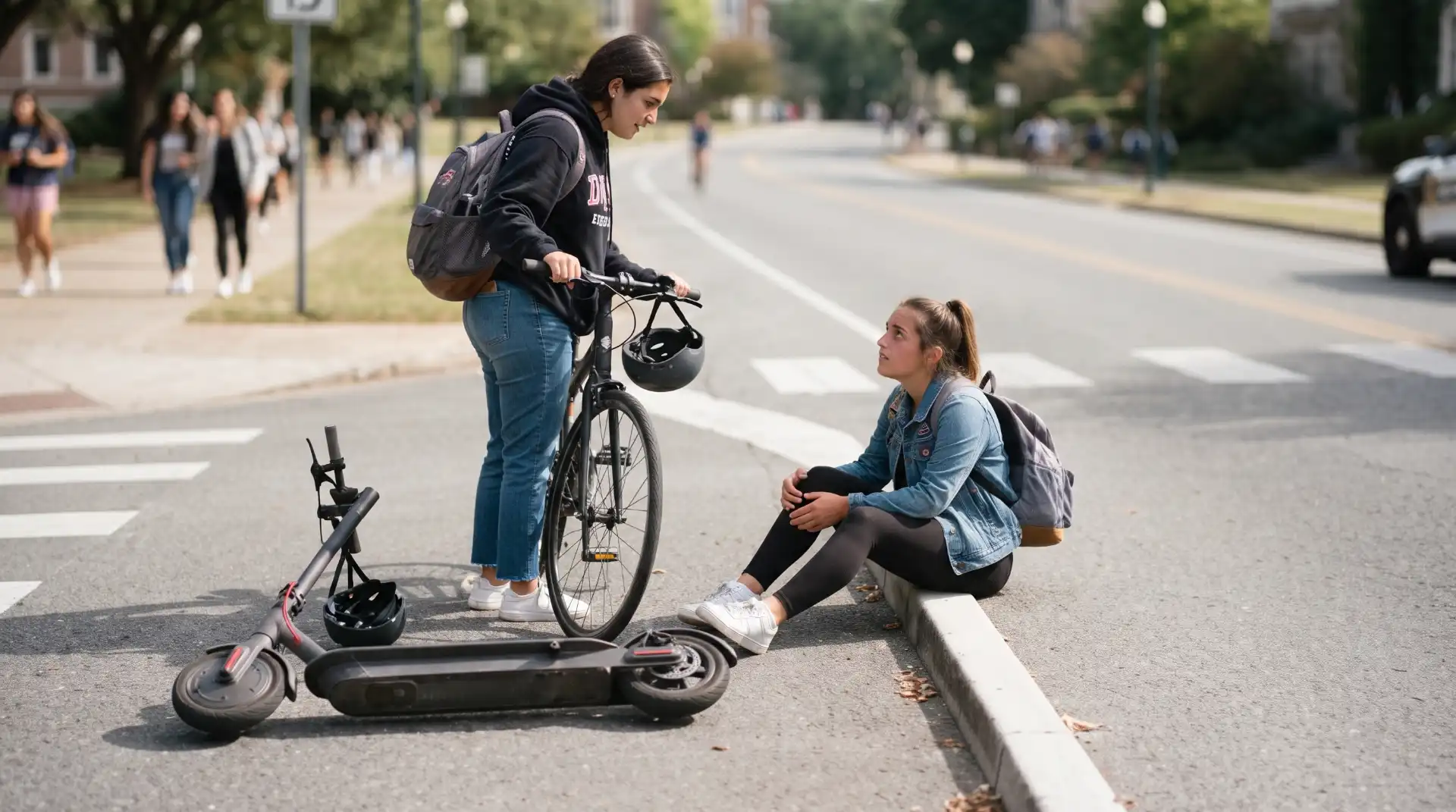
Scooter riders have very little physical protection during a collision. As a result, even relatively low-speed crashes can lead to significant injuries.
Head injuries are among the most serious outcomes. Riders may strike the pavement, a vehicle, or another object during a collision. Traumatic brain injuries can occur even when a rider is wearing a helmet.
Broken bones are also common. Fractures involving the wrists, arms, collarbone, ribs, and legs frequently occur when riders attempt to brace themselves during a fall.
Road rash can range from minor abrasions to severe skin injuries requiring extensive medical treatment. Some cases may result in permanent scarring.
Neck injuries and spinal injuries may develop when a rider is thrown from a scooter or experiences a sudden impact. These injuries can require ongoing medical care and rehabilitation.

Internal injuries are another concern. Blunt-force trauma can damage organs and may not always be immediately apparent following an accident. Prompt medical evaluation is often necessary to identify hidden injuries.
How Insurance Coverage May Apply
Insurance coverage can become significantly more complicated when a delivery driver is involved in a collision. Unlike traditional traffic accidents, multiple policies may potentially apply depending on the circumstances.
Most drivers carry personal automobile insurance. However, personal policies sometimes contain exclusions or limitations when a vehicle is being used for commercial activities. This creates questions about whether personal coverage applies during delivery-related activities.
Many delivery platforms also provide varying levels of insurance coverage. The availability of this coverage often depends on the driver’s status within the delivery app at the time of the accident.
For example, coverage may differ depending on whether the driver was waiting for an order, traveling to pick up an order, or actively completing a delivery. Determining the driver’s app status can become an important part of the investigation.
Because multiple insurers may become involved, delivery driver scooter accident claims often take longer to evaluate than ordinary vehicle accidents.

Evidence That May Help Support a Claim
The strength of a claim often depends on the quality of available evidence. Gathering information as early as possible can help preserve important details.
Photographs taken at the scene can document vehicle positions, road conditions, traffic signals, and visible injuries. These images may provide valuable context during an investigation.
Police reports frequently contain witness statements, diagrams, and preliminary findings regarding the cause of the accident. While a police report may not determine liability by itself, it often serves as an important source of information.
Medical records help establish the nature and extent of injuries. Consistent treatment documentation may also demonstrate how injuries have affected an individual’s daily life.
Witness statements can provide independent accounts of what occurred. In many cases, nearby pedestrians, cyclists, or motorists observe important details that may not be captured elsewhere.
Digital evidence may also play a role in delivery driver claims. Delivery applications, GPS records, and electronic communications can sometimes provide information regarding the driver’s activities leading up to the collision.
Comparative Fault Considerations
Many states use some form of comparative fault system when evaluating accident claims. Under these rules, more than one party may share responsibility for a collision.
For example, a delivery driver may have failed to yield while a scooter rider was traveling outside a designated lane. Investigators may conclude that both parties contributed to the accident in different ways.
Comparative fault rules vary by state, and the impact on a claim depends on local laws. Understanding how these rules apply is often an important aspect of evaluating a scooter accident case.
Challenges Unique to Delivery Driver Accident Claims
Delivery driver claims often involve issues that are not present in ordinary vehicle collisions. One challenge involves identifying all potentially applicable insurance policies. Multiple insurers may investigate the same accident, which can complicate the claims process.
Another challenge involves preserving digital evidence. Delivery app records, GPS information, and electronic communications may contain important details regarding the driver’s status and activities. These records are not always retained indefinitely.
Questions regarding employment classification may also arise. Determining whether a driver was acting independently or within the scope of company operations can affect various aspects of a claim.
Because delivery-related accidents often involve additional legal and factual issues, investigations may become more extensive than those associated with traditional traffic collisions.
How Scooter Riders Can Reduce Their Risk
While not every accident can be prevented, scooter riders can take steps to improve safety when sharing the road with delivery vehicles.
Remaining visible is one of the most effective precautions. Bright clothing, reflective materials, and proper lighting can help drivers notice riders more easily, particularly at night.
Riders should remain alert around vehicles that appear to be making deliveries. Frequent stops, sudden turns, and unexpected parking maneuvers are common behaviors associated with delivery work.
Following traffic laws, using designated bike lanes where available, and avoiding blind spots can further reduce collision risks.
The National Highway Traffic Safety Administration offers safety resources and transportation information for road users throughout the United States: https://www.nhtsa.gov
Conclusion
Delivery driver vs scooter accident claims often involve complex liability questions, multiple insurance policies, and detailed investigations. As delivery services and scooter use continue to expand across the United States, collisions between these road users are likely to remain a growing concern. Understanding the common causes of these accidents, the parties that may be involved, and the evidence that can help establish fault provides valuable insight into how these claims are evaluated.