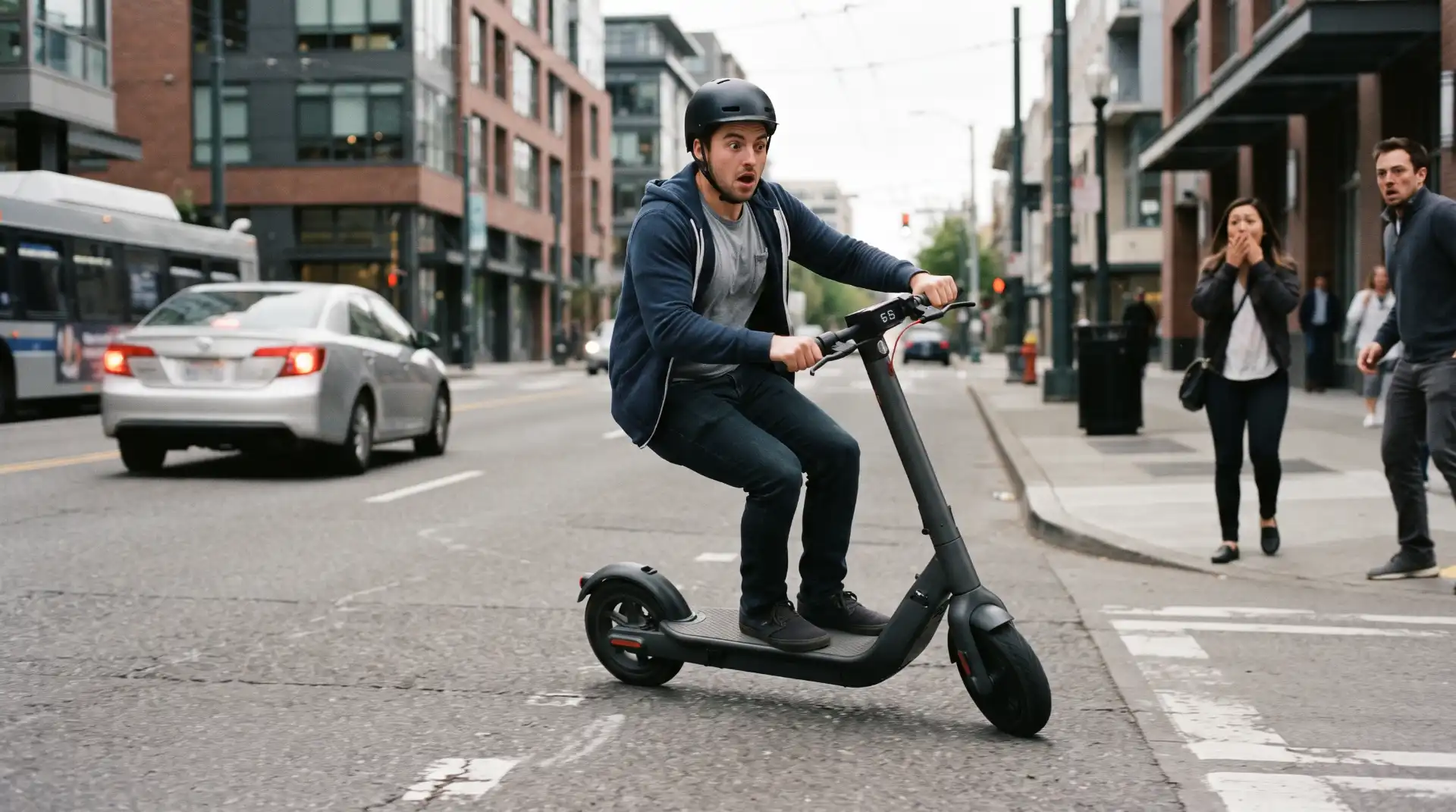
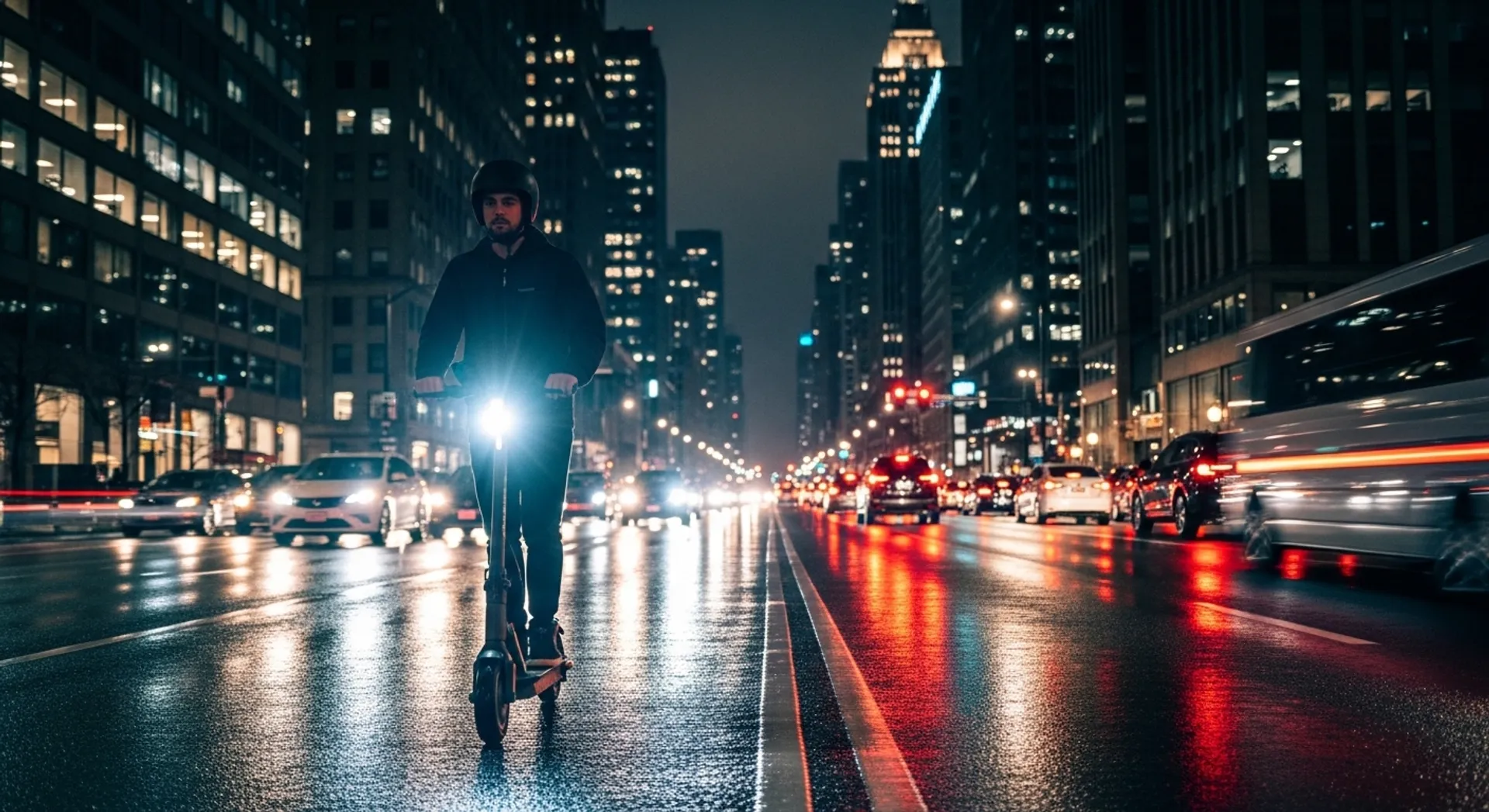
Night scooter accidents are getting more attention in 2026 because they often combine the worst risk factors into one crash. Visibility drops, driver reaction time gets worse, road hazards become harder to spot, and impaired driving becomes more common later in the evening. For scooter riders, that means a routine trip home can turn into a serious injury claim in seconds. A collision that might have been avoided during daylight can become a violent crash after dark simply because nobody sees the danger in time.
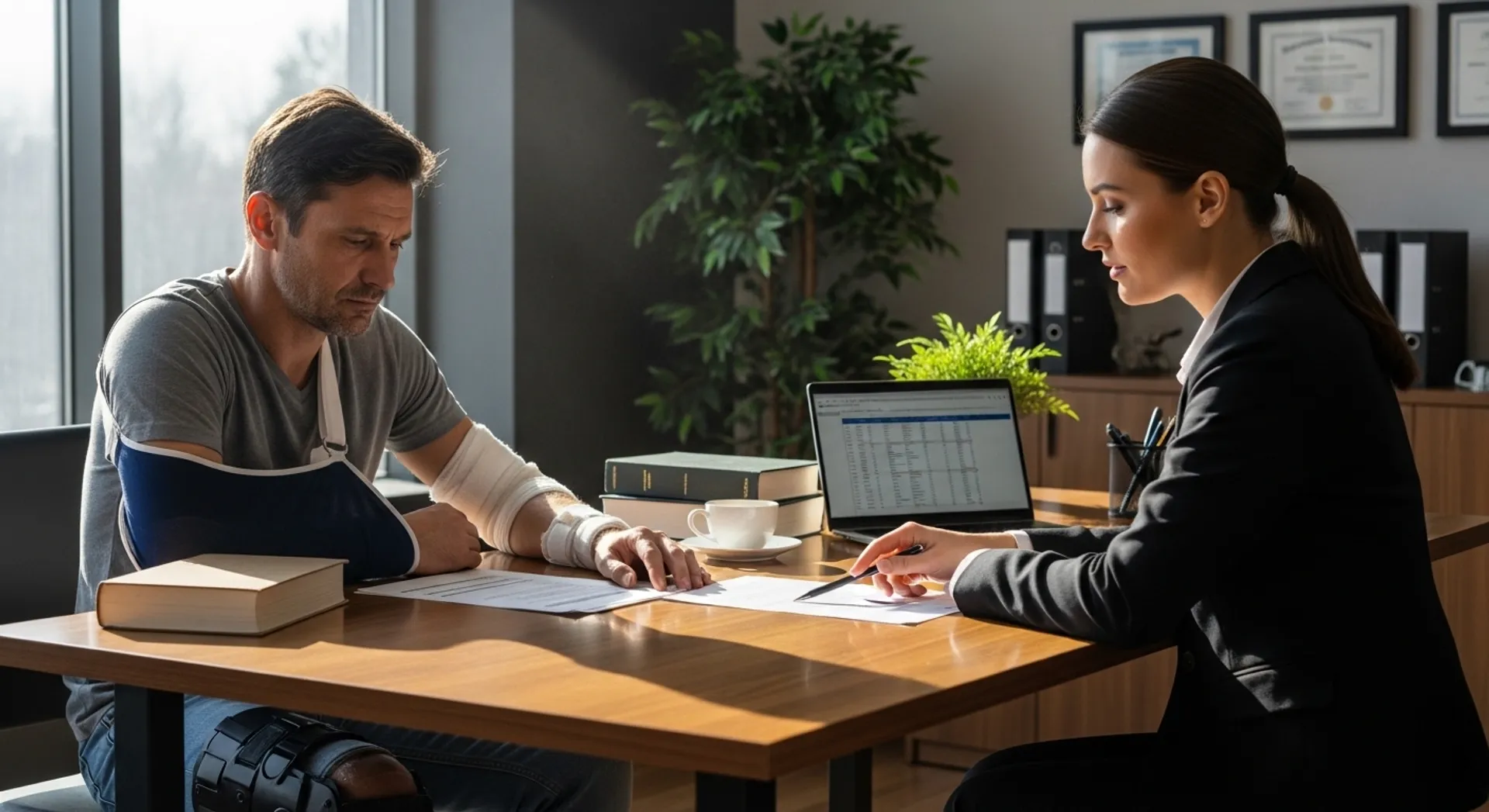
That makes this topic a strong fit for Scooter Accident Law Firm. Your site already covers the legal side of scooter crashes, the steps injured riders should take, and the complications that happen when a scooter and a car collide. This article builds naturally on those themes while giving readers a current topic that is both searchable and practical. It also creates internal-link opportunities to your home page, your services page, your recent post on night riding risks, your guide on handling a scooter vs. car accident claim, and your post on what to do immediately after a scooter accident.
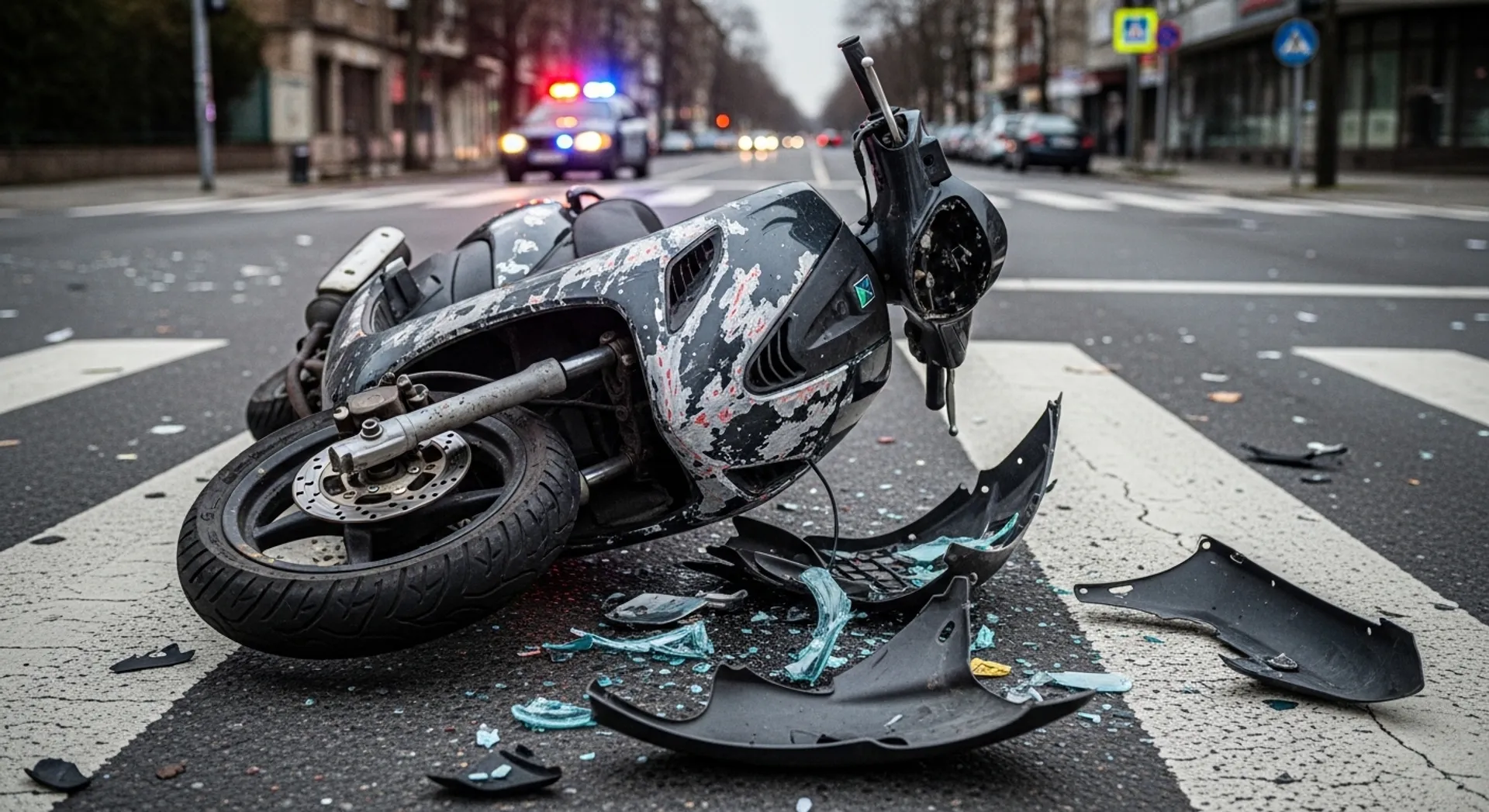
Why Night Scooter Accidents Are Trending in 2026
Night scooter accidents are trending because the legal and medical stakes are usually higher than people expect. Many riders think the main danger is simply low light, but that is only part of the problem. After dark, there is often a chain reaction of bad conditions. Drivers may be tired, distracted, speeding, or impaired. Riders may be less visible in dark clothing. Potholes, debris, lane markings, and uneven pavement are harder to see. When those factors overlap, even a short ride can turn into a severe crash with lasting consequences.
Why night scooter accidents are more dangerous than daytime crashes
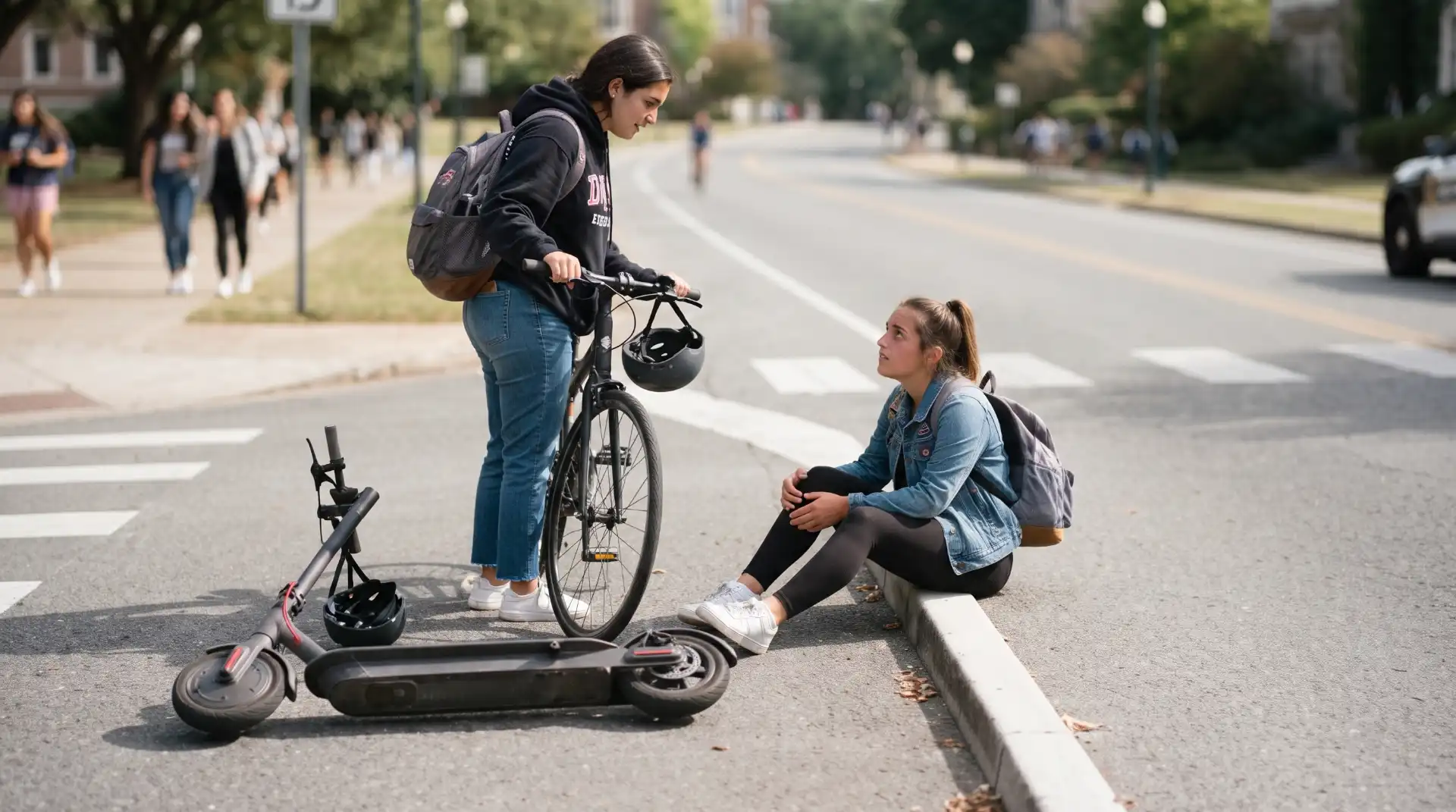
One reason night scooter accidents are so serious is that reaction time shrinks fast. A car driver may not notice a scooter rider until the last second. A rider may not see a vehicle turning across a lane or pulling out from a driveway. That delay matters because scooters offer much less physical protection than passenger vehicles. Even a low-speed impact can throw the rider onto pavement, curbs, parked cars, or other objects. Head injuries, wrist fractures, facial trauma, shoulder damage, and leg injuries are common in these scenarios.
Visibility problems make fault disputes harder
Visibility is not just a safety issue. It is also a liability issue. After a crash, the insurance company may argue that the rider was hard to see, was wearing dark clothing, did not use lights, or was outside a designated riding area. On the other side, the rider may have a strong claim that the driver failed to yield, was speeding, was distracted, or ignored obvious conditions. This is why night scooter accidents often become evidence-heavy claims. Lighting, weather, road design, camera footage, and witness statements can all matter more than they would in a clear daytime collision.
That is also why immediate documentation matters. If a streetlight was out, a bike lane was poorly marked, or a vehicle made an unsafe turn, those details may become critical later. Once the scene changes, it can be much harder to prove what really happened. Riders who can safely photograph the area, the scooter, the vehicle, the lighting, and any visible injuries give themselves a much stronger starting point than riders who leave everything to memory.
Impaired driving and impaired riding raise the stakes
Another reason night scooter accidents are drawing more attention is the overlap with impaired driving and impaired riding. Late-night crashes often happen near restaurants, bars, entertainment districts, and busy urban corridors. That increases the chance that either the driver or the rider may be under the influence. Even when the scooter rider is not impaired, the presence of alcohol in the broader traffic environment raises the danger dramatically.
This does not mean every nighttime crash involves intoxication, but it does mean attorneys, insurers, and investigators look for it quickly. Police reports, toxicology results, witness observations, and surveillance footage can all affect the direction of the claim. An impaired driver may face both criminal consequences and civil liability. An impaired rider may still have a case in some situations, but comparative fault can reduce the compensation available.
Why scooter-vs-car collisions dominate many night scooter accidents
Many serious night scooter accidents involve a motor vehicle, and that changes the legal picture immediately. A rider going down in a solo fall may still have a claim if road hazards or defective equipment played a role. But when a car, SUV, or truck is involved, the crash usually becomes more complicated. The injured rider may be dealing with the driver’s insurer, the driver’s statement, body shop evidence, dashcam footage, and possibly a dispute over traffic rules. That is one reason your post on scooter vs. car accident claims is a natural internal link here.
Nighttime collisions also create more uncertainty about perception and timing. Did the driver have a clear line of sight? Was the scooter in a bike lane, traffic lane, or crosswalk? Were the scooter’s lights functioning? Did the driver turn across traffic too fast? Those details influence negligence arguments, and they can make the difference between a denied claim and a strong injury case.
What Riders Should Do After Night Scooter Accidents
After night scooter accidents, the first priority is always medical care. Riders sometimes assume they can shake off the crash, especially if adrenaline is high and bleeding looks minor. That is a mistake. Concussions, internal injuries, fractures, and soft-tissue damage may not fully show themselves in the first few minutes. Getting checked quickly protects your health and creates a medical record that can later support your claim.
How to protect your health and your claim after night scooter accidents
Once emergency needs are handled, the next step is protecting the case. Report the collision if another party was involved. Take photos and video if you can do so safely. Preserve your scooter, helmet, and damaged gear. Collect witness names. Save app ride data if the scooter was rented. Keep receipts, discharge papers, prescriptions, and missed-work records. Night scooter accidents often look simple at first, but the strongest claims are usually the ones backed by detailed evidence from the start.
Evidence matters more than most injured riders realize
Evidence in night scooter accidents goes beyond a few photos. It can include surveillance footage from nearby businesses, dashcam video, police bodycam, 911 call records, lighting conditions, weather reports, road maintenance complaints, and download data from a rental scooter app. In some cases, helmet damage, torn clothing, or the final resting position of the scooter can help reconstruct the crash. The point is simple: what seems minor in the moment may become highly important later.
This is especially true when insurers try to shift blame. They may argue the rider entered traffic unsafely, ignored local riding rules, or failed to make themselves visible. Strong evidence can push back against those arguments and show that a driver, property owner, scooter company, or another party played a real role in causing the crash. That is why early action often matters more than injured riders expect.
Avoid common insurance mistakes after a nighttime crash
One of the biggest mistakes after night scooter accidents is giving a rushed recorded statement before the rider understands the extent of the injuries or the facts of the crash. Another is assuming the claim is small because the scooter itself was inexpensive. The value of the case is usually tied to the injuries, treatment, missed income, pain, and long-term consequences, not the price of the scooter. Riders also hurt their own claims when they skip follow-up care, fail to document symptoms, or post casually about the crash on social media.
A better approach is to stay organized and deliberate. Follow medical instructions. Keep a simple injury journal. Save every bill and appointment summary. Review the practical steps in your article on what to do immediately after a scooter accident. Then connect that guidance with the legal support described on your services page so readers understand what professional help can actually do for them.
Night scooter accidents deserve more attention because they often combine poor visibility, road design issues, motor-vehicle conflict, and impaired driving into one high-risk event. For injured riders, the path forward is not just about healing. It is also about protecting the right evidence, understanding how liability works after dark, and avoiding the insurance traps that can weaken a valid claim. For readers who want a trusted outside resource on impaired-driving risk, NHTSA’s drunk driving safety page is a strong authority link to include alongside your own legal content.